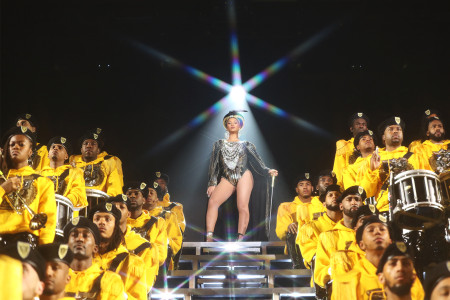
When Black Panther came out in 2018, I remember reading an article (which of course I can’t seem to find now) about how the year itself was such a incredible time for black cultural identity in America. 2018 was the year Beyoncé headlined Coachella as the first black female artist to do so (aka “Beychella”). 2018 was also a big year for black success in politics, the Olympics, and at many music, film, and television award shows. That same year, Netflixreleased it’s most upsetting season of Orange is the New Black, which thematically spoke of authoritative abuse of power against people of color (and women), while in the real-world, such abuses of power were being called national attention to through the Black Lives Matter movement.
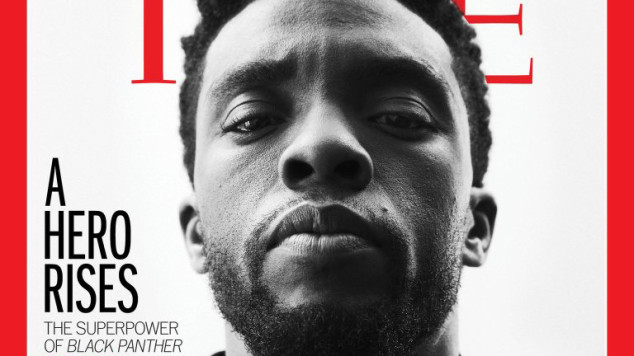
In all, I remember the article mentioning that 2018 was a time of celebration for black identity in America, a celebration which they attributed to the substantial success of Black Panther‘s release. But they also underlined this cause for celebration with the sobering question: Why did it take this long? Why did it take so long for an icon in the form of a black superhero to take the world by storm at the capacity of Black Panther? As the article mentioned, the length of time to accomplish this success only speaks toward the active effort to continuously oppress black identity within our society. However, since then, I think we are seeing an active effort in the media (especially Netflix) to advocate for the recognition and representation of people of color in film and television.
Most of the readings this week seemed to acknowledge the release of Black Panther as a pivotal success for the emergence of black identity into the forefront of mainstream media. An example of this positive review can be read in the New York Times article “Why ‘Black Panther’ Is a Defining Moment for Black America.” However, I was very intrigued by the argument against this notion, which was brought to light in the article “‘Black Panther’ Is Not the Movie We Deserve” presented in the Boston Review.
Up until coming across this article, I had only read positive things in response to Black Panther, so it was interesting to read about the movie from a different perspective. The main argument of this article is that the movie contributes to “a shocking devaluation of black American men” (Lebron). The writer bases this criticism on the story-line of Killlmonger and the backstory that led to his life of villainy. He writes, “we are given a movie about black empowerment where the only redeemed blacks are African nobles. They safeguard virtue and goodness against the threat not of white Americans or Europeans, but a black American man, the most dangerous person in the world.”
While I can see his argument, I would argue in return that this was not the message that myself and others took away from Killmonger’s story at all. In fact, I really liked his story-line because it sheds light on the systematic patterns of inequality that lead to violence in under-served communities. However, I’m not saying the writer of this article is wrong either. The writer of this article, Christopher Lebron, is after all, applying his criticism from the highly esteemed lens of his own black identity in combination with his educational background related to the field. Who am I, a white girl, to say, “Oh no, I think you’re wrong about how you interpret the male black experience”?
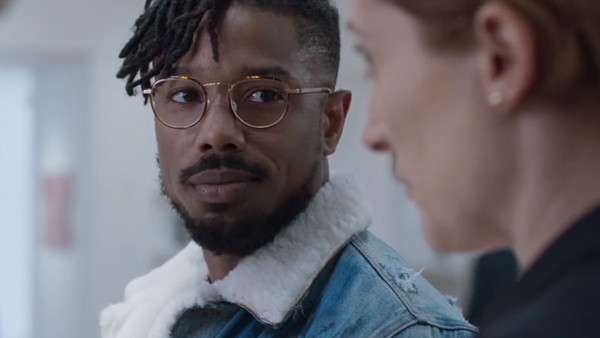
I would just say in response to this article, that the movie seems to have greater value in its strengths than in its weaknesses, and that the character of Killmonger is actually “a villain” that many people in our culture can understand because it fits into a pattern that affects men of all colors and identities in American society. And while it does seem to lean toward the degradation of representing the male black identity in America, I think that Killmonger’s story as a whole holds a greater resonance and value that speaks toward bigger issues of systemic injustice within low-income communities and how it contributes to the perpetuation of violence and hatred that we have in our society.
The driving force of Lebron’s argument lies in the proof that the African identities represented within the film are held to a higher respect than the American black male identities. However, one should not forget the leading factors that created the mentality of Killmonger. As we learn later (through flashbacks) in the film, some of the contributing events that lead to Killmonger’s eventual villainy stemmed from the ways he had been forgotten about and eventually left behind by his own African relatives; thus, his “angry black male” identity is a product of not only American society, but also the rejection he receives from his own cultural homeland of Africa.
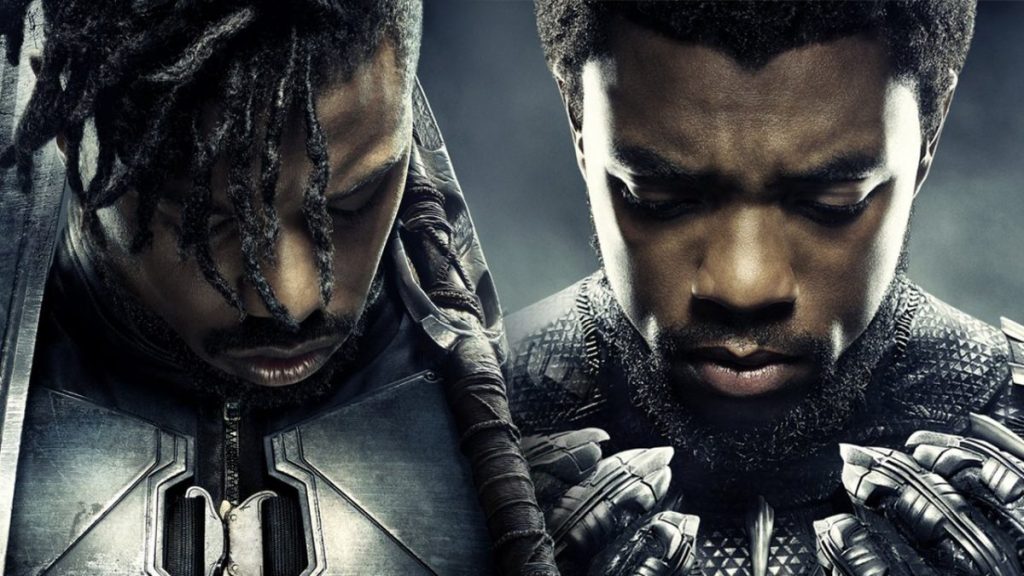
In this way, I would argue that the uplifting of the African identity as it compares to Lebron’s proposed degradation of the black American male identity creates a complex yet evenly distributed balance between the two representations. I mean, are these African nobles, who abandon their own kin and live a life of luxury despite the hardships others face really placed at a higher respect? I would say that in this film, both African and American black identities have their strengths and flaws, and while one might stand more proudly than the other, they are both equally as important in how they resonate a message of social injustice and the reclamation of cultural pride within the viewer.
But I want to hear what you think. How do you respond to Christopher Lebron’s article? Do you side with him strongly? If so, why? I wan’t to hear your thoughts on this interesting (and perfectly valid) interpretation. Share your thoughts in the comments. I look forward to reading what you have to say.
 Melissa Voita - JMC 309
Melissa,
Interesting thoughts. I also thought it was interesting how Lebron saw the movie as a devaluation of black american men. I’ve seen many movies or TV shows where different groups are devalued or treated as less, and it seemed like the men in Black panther were far from that, as were the women. The characters all seemed extremely powerful. Maybe I don’t have an eye for this kind of media analysis yet.
LikeLiked by 1 person
Thank you for the positive feedback. I like that you mention the women because something I really liked about this movie and Wakanda culture was that women seem to be viewed as strong equals, as they can be warriors, scientists, and political leaders. It’s rare to see a film that has representation of people of color AND breaks past gender stereotypes. Thanks for reading!
LikeLiked by 1 person